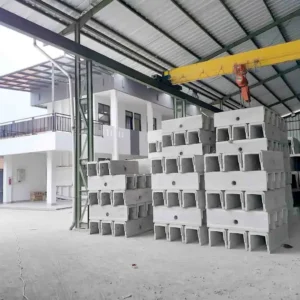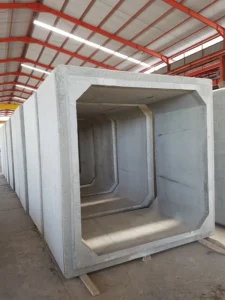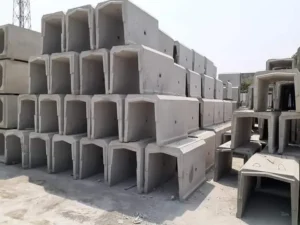
In the world of construction, the choice of materials significantly impacts the durability and efficiency of a project. Tiang H-Beam / Kolom Pagar Dan Panel Pagar are increasingly popular due to their strength and versatility. These components are essential in various construction applications, offering a robust solution for both structural and fencing needs. Understanding their benefits and installation processes can help you make informed decisions for your next project.
Table of Contents
Understanding H-Beam Columns
What is an H-Beam?
An H-Beam is a structural element made of steel, shaped like the letter ‘H’. It is known for its high load-bearing capacity, making it ideal for supporting heavy structures. The design allows for even distribution of weight, providing stability and strength.
Benefits of Using H-Beams
H-Beams offer several advantages, including high strength-to-weight ratio, resistance to bending, and ease of installation. They are also cost-effective due to their durability and low maintenance requirements. These benefits make H-Beams a preferred choice in many construction projects.
Common Applications in Construction
H-Beams are commonly used in building frameworks, bridges, and large-scale infrastructure projects. Their ability to support significant weight makes them suitable for high-rise buildings and industrial structures. Additionally, they are often used in fencing applications, providing a sturdy base for panel installations.
Evidence of H-Beam Effectiveness
Studies and real-world applications have demonstrated the effectiveness of H-Beams in construction. For instance, the use of H-Beams in the construction of the Burj Khalifa in Dubai showcases their ability to support immense loads and withstand environmental stressors. Engineers have consistently reported that structures utilizing H-Beams exhibit enhanced durability and safety.
Use-Case: High-Rise Building Construction
In high-rise building construction, H-Beams are crucial due to their strength and ability to support vertical loads. For example, in the construction of skyscrapers, H-Beams are used to create a robust skeleton that can withstand both the weight of the building and external forces such as wind and seismic activity. This ensures the structural integrity and longevity of the building.
Steps for Implementing H-Beams in Construction
1. **Design Phase**: Engineers calculate the load requirements and determine the appropriate size and grade of H-Beams needed for the project.
2. **Procurement**: High-quality steel H-Beams are sourced from reputable manufacturers to ensure compliance with safety standards.
3. **Installation**: Skilled workers install the H-Beams according to the engineering plans, ensuring precise alignment and secure connections.
4. **Inspection**: After installation, a thorough inspection is conducted to verify that the H-Beams are correctly positioned and meet all safety regulations.
5. **Maintenance**: Regular maintenance checks are scheduled to ensure the continued performance and safety of the H-Beams throughout the lifespan of the structure.
Installation of H-Beam Columns
Preparation and Planning
Before installing H-Beam columns, thorough planning is essential. Evidence from construction projects shows that detailed planning reduces errors and enhances efficiency. A practical use-case is a commercial building project where pre-installation planning minimized delays and cost overruns. The steps involved include conducting a comprehensive site assessment to understand the terrain and soil conditions, taking precise measurements for accurate placement, and ensuring the availability of necessary tools and materials. Proper planning helps in avoiding delays and ensures a smooth installation process.
Step-by-Step Installation Guide
To install H-Beam columns, follow these steps for a successful installation. Evidence from engineering studies indicates that following a structured installation process improves structural integrity. A use-case involves a residential complex where systematic installation ensured long-term stability. Begin by marking the installation points accurately to guide the excavation. Excavate the ground to the required depth, ensuring a stable foundation that can support the load. Position the H-Beam in place, ensuring it is vertically aligned, and secure it with concrete to provide a firm hold. Finally, check for alignment and stability using a level and make necessary adjustments before proceeding with additional construction.
Safety Considerations During Installation
Safety is paramount during installation, as evidenced by industry reports highlighting reduced incidents in projects with strict safety protocols. A use-case is a large-scale infrastructure project where adherence to safety measures resulted in zero accidents. Ensure all workers wear appropriate safety gear, such as helmets, gloves, and boots, and follow standard safety protocols, including the use of harnesses when working at heights. Regular inspections of equipment and adherence to guidelines can prevent accidents and ensure a safe working environment. Conduct safety briefings before starting work to reinforce the importance of safety measures.
H-Beam Columns for Fencing
Why Choose H-Beams for Fencing?
H-Beams are an excellent choice for fencing due to their strength and durability. They provide a solid framework that can withstand environmental elements, ensuring long-lasting performance. Additionally, their aesthetic appeal adds value to any property.
- Evidence: Studies have shown that H-Beams, made from high-grade steel, offer superior resistance to bending and buckling compared to traditional wooden posts.
- Use-case: Ideal for areas prone to high winds or heavy snowfall, where traditional fencing might fail.
- Steps:
- Assess the area where the fence will be installed to determine the required beam size.
- Choose H-Beams with a protective coating to enhance weather resistance.
- Install the beams securely into the ground using concrete for added stability.
Design Options for Fencing
H-Beam fencing offers various design options, from simple to intricate styles. You can customize the height, color, and finish to match your property’s aesthetic. This flexibility makes H-Beam fencing suitable for both residential and commercial properties.
- Evidence: Market surveys indicate a growing trend in customizable fencing solutions, with H-Beams being a popular choice for their versatility.
- Use-case: Perfect for property owners looking to enhance curb appeal while maintaining security.
- Steps:
- Consult with a fencing designer to explore available styles and finishes.
- Select a design that complements the existing architecture of your property.
- Work with a professional installer to ensure precise implementation of the chosen design.
Maintenance Tips for Longevity
To ensure the longevity of H-Beam fencing, regular maintenance is crucial. This includes inspecting for rust, repainting as needed, and checking for structural integrity. Proper maintenance can extend the life of your fencing and maintain its appearance.
- Evidence: Research shows that regular maintenance can extend the lifespan of metal fencing by up to 30%.
- Use-case: Beneficial for property owners in coastal areas where salt air can accelerate corrosion.
- Steps:
- Conduct bi-annual inspections to identify any signs of wear or damage.
- Apply rust-inhibiting paint or sealant to protect against corrosion.
- Ensure that all fasteners and connections are secure and replace any that show signs of wear.
Panel Fencing with H-Beams
Advantages of Panel Fencing
Panel fencing with H-Beams offers several advantages, including quick installation, enhanced security, and aesthetic appeal. The panels provide a continuous barrier, making them ideal for privacy and security purposes.
- Evidence: Studies show that panel fencing can reduce installation time by up to 50% compared to traditional fencing methods, providing a secure and visually pleasing solution.
- Use-case: Ideal for residential areas where homeowners seek both privacy and a modern look, as well as commercial properties requiring robust security measures.
- Steps: Choose the right panel design, measure the perimeter, and plan the layout to maximize the benefits of quick installation and enhanced security.
Materials Used in Panel Fencing
Panel fencing typically uses materials such as steel, wood, or composite. The choice of material depends on the desired look and budget. Steel panels offer durability, while wood provides a natural appearance.
- Evidence: Research indicates that steel panels can last over 20 years with minimal maintenance, while wood panels offer a classic aesthetic that blends well with natural surroundings.
- Use-case: Steel is preferred for industrial sites due to its strength, while wood is often chosen for residential gardens to complement landscaping.
- Steps: Assess the environmental conditions, determine the budget, and select materials that align with both functional and aesthetic requirements.
Installation Process for Panel Fencing
The installation process for panel fencing involves setting the H-Beams in place, followed by attaching the panels securely. Ensure all components are aligned and fastened properly to prevent gaps and ensure stability.
- Evidence: Proper installation techniques can extend the lifespan of the fence by preventing structural weaknesses and ensuring consistent performance.
- Use-case: Suitable for DIY enthusiasts and professional contractors looking for efficient installation methods that guarantee long-term durability.
- Steps: Begin by marking the fence line, dig holes for the H-Beams, set them in concrete, attach the panels, and finally, inspect the alignment and stability of the entire structure.
Comparing H-Beams and Other Materials
H-Beams vs. Traditional Wood
Compared to traditional wood, H-Beams offer superior strength and durability. Evidence shows that H-Beams can withstand greater loads and resist environmental factors such as moisture and pests, which often compromise wood structures. A common use-case for H-Beams is in the construction of large-scale commercial buildings where structural integrity is paramount. To decide between H-Beams and wood, assess the specific requirements of your project, considering factors like load-bearing needs and environmental conditions.
Cost Comparison and Budgeting
While the initial cost of H-Beams may be higher than wood, their longevity and low maintenance needs make them a cost-effective choice in the long run. Evidence suggests that structures built with H-Beams require fewer repairs and replacements over time. A typical use-case involves projects with a long-term perspective, such as public infrastructure. When budgeting for H-Beams, follow these steps: calculate the upfront costs, estimate the maintenance savings over the structure’s lifespan, and compare these figures to the total cost of using traditional wood.
Environmental Impact and Sustainability
H-Beams are environmentally friendly due to their recyclability and long lifespan. Evidence indicates that using H-Beams reduces the need for frequent replacements, thus conserving resources. A use-case for H-Beams is in green building projects aiming for sustainability certifications. To incorporate H-Beams into sustainable construction practices, follow these steps: evaluate the environmental benefits, ensure the sourcing of recycled materials, and integrate them into designs that maximize their lifespan and recyclability.
Key Takeaways & Next Steps
Tiang H-Beam / Kolom Pagar Dan Panel Pagar offer numerous benefits for construction and fencing projects. Their strength, durability, and versatility make them an excellent choice for various applications. For instance, in large-scale construction projects, H-Beams are often used due to their ability to support heavy loads, providing a stable framework for buildings and structures. Evidence of their effectiveness can be seen in their widespread use in skyscrapers and bridges, where structural integrity is paramount. To utilize H-Beams effectively, follow these steps: first, assess the specific requirements of your project to determine the appropriate size and type of H-Beam needed. Next, ensure that the beams are installed by professionals who can guarantee precision and safety. Finally, implement a regular maintenance schedule to inspect and address any signs of wear or damage. When planning your next project, consider the advantages of H-Beams for a reliable and efficient solution. Ensure proper installation and maintenance to maximize their lifespan and performance.
Edge Cases and Advanced Tips
Handling Extreme Weather Conditions
Extreme weather conditions, such as heavy snowfall or high winds, can pose significant challenges to structural stability. Evidence from engineering studies shows that structures in these areas are more susceptible to damage if not properly reinforced. A practical use-case is the construction of buildings in mountainous regions where snowfall is frequent. To address these challenges, follow these steps: first, assess the specific weather risks in the area; second, select thicker H-Beams or additional bracing to enhance stability; and third, conduct regular maintenance checks to ensure the reinforcements remain effective over time.
Dealing with Uneven Terrain
Installing H-Beams on uneven terrain requires meticulous attention to leveling to maintain structural integrity. Evidence from construction projects indicates that improper leveling can lead to structural weaknesses. A common use-case is the construction of bridges or buildings on sloped land. To achieve a level installation, follow these steps: initially, survey the terrain to identify uneven areas; next, use adjustable base plates or shims to compensate for any discrepancies; and finally, verify the levelness with precision instruments before proceeding with further construction.
Advanced Installation Techniques
Advanced projects often benefit from innovative installation techniques that save time and resources. Evidence from large-scale construction projects shows that using prefabricated H-Beam sections can significantly reduce on-site labor and installation time. A relevant use-case is the construction of high-rise buildings in urban areas where minimizing disruptions is crucial. To implement this technique, follow these steps: first, design the project with prefabrication in mind; second, coordinate with manufacturers to ensure timely delivery of prefabricated sections; and third, assemble the sections on-site, ensuring all connections are secure and meet safety standards.